How to Choose a Custom Guitar Builder: What Really Matters
Choosing a custom guitar builder is a big decision. A custom instrument isn’t just about looks — it’s about feel, function, longevity, and how the guitar responds to you as a player. With so many builders ranging from hobbyists to established boutique shops, knowing what actually matters can help you avoid costly mistakes and ensure the final instrument lives up to expectations.
This guide breaks down what to look for in a custom guitar builder, how boutique builders differ from large manufacturers, and the questions worth asking before commissioning a build.
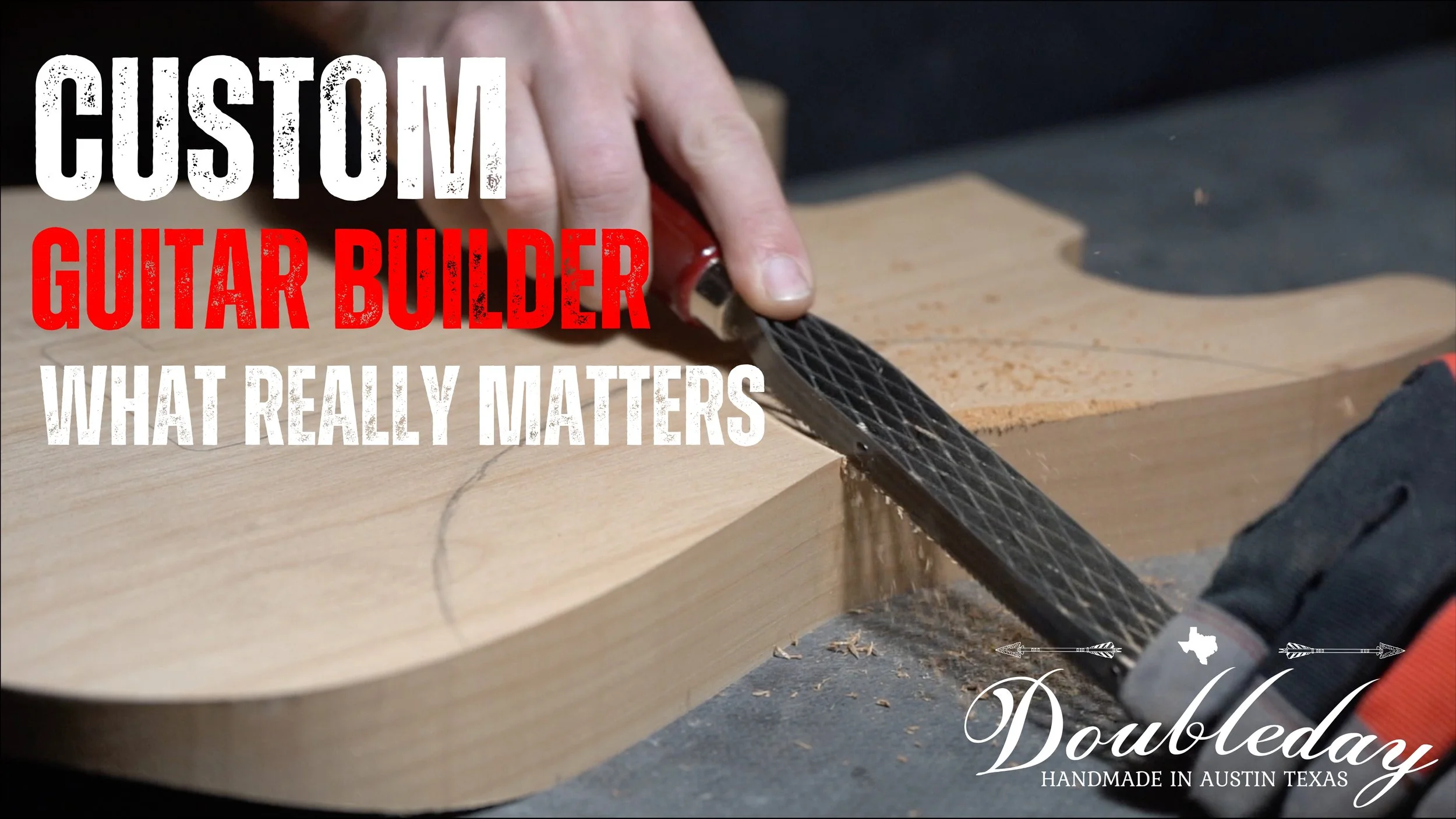
Boutique Guitar Builders vs Large Manufacturers
Large guitar manufacturers rely on standardized processes designed to produce instruments efficiently and consistently at scale. While this approach works well for mass production, it often limits personalization and hands-on quality control.
Boutique guitar builders, on the other hand, focus on individual instruments rather than volume. This allows for:
Greater attention to detail
More flexibility in design choices
Direct communication with the builder
A build process tailored to the individual player
When working with a boutique builder, each decision — from neck construction to electronics — is made with a specific player in mind rather than a general market.
Why Attention to Detail and Quality Control Matter
A builder’s repair background often reveals their understanding of long-term playability and structural stability. Experience with professional guitar repair and setup services provides insight into how instruments age, wear, and respond over time.
One of the most important differences between builders is where they focus their attention. Small details in construction can dramatically affect how a guitar feels and performs over time.
At Doubleday Guitars, the philosophy centers on the neck — the most critical structural and functional part of the instrument. Neck construction influences playability, stability, and long-term reliability more than any other component.
This includes:
Careful neck shaping for comfort and consistency
Thoughtful truss rod selection and installation
A focus on stability and adjustment reliability
Doubleday Guitars exclusively uses vintage-style one-way truss rods, prioritizing simplicity, reliability, and proven performance. This approach reflects a belief that fewer moving parts and time-tested designs often lead to better long-term results.
What to Look for in a Boutique Guitar Builder
When researching custom guitar builders, there are four key areas that consistently separate strong builders from risky ones:
1. Communication
Clear, honest communication throughout the process is essential. A good builder listens carefully, asks the right questions, and explains decisions in a way that helps you understand how each choice affects the final instrument.
2. Reputation
Look for documented work, previous builds, and feedback from past clients. A builder’s reputation is built over time through consistency and results.
3. Stylistic Identity
Every builder has a distinct approach to design and construction. Make sure their aesthetic and build philosophy align with what you want — not just visually, but functionally.
4. Customization
True customization goes beyond color and hardware. It includes neck profile, scale length, electronics layout, and finish materials — all tailored to how you play.
Are Custom Guitars Worth It?
Custom guitars span a wide price range. Entry-level custom builds from novice builders may cost only a few hundred dollars, while established boutique instruments can reach well into the five-figure range depending on experience, exclusivity, and materials.
The value of a custom guitar comes down to:
Build quality
Longevity
Playability tailored to the individual
Confidence in the builder’s process
For many players, the ability to commission an instrument built specifically for their hands, playing style, and tonal goals makes a custom guitar a worthwhile long-term investment.
Questions to Ask Before Commissioning a Custom Build
Before starting a project, it’s important to understand a builder’s process, lead times, and available options. You can learn more about what goes into a one-off instrument on our custom electric guitar builds page.
Important questions include:
What is the estimated lead time or build time?
What electronics do you recommend for my playing style and tone goals?
What finish materials are available, and how do they affect feel and durability?
How involved will I be during the build process?
What adjustments or setup preferences are included?
These answers help ensure expectations are aligned before the build begins.
Red Flags to Watch For
Not all builders operate with the same level of professionalism. Be cautious if you notice:
Poor or inconsistent communication
No documented reputation or previous work
Vague answers about construction methods
No formal luthiery experience or repair background
Unrealistically short build times without explanation
A custom guitar is a long-term investment. Transparency and experience matter.
Final Thoughts
Choosing the right custom guitar builder isn’t about hype or trends — it’s about trust, communication, and construction philosophy. Understanding how a builder approaches key elements like neck construction, truss rod design, materials, and customization ensures the final instrument reflects both your playing style and the builder’s craftsmanship.
Taking the time to ask the right questions and evaluate a builder’s process will lead to a guitar that not only looks great, but feels right every time you pick it up.
Looking for a handcrafted guitar built in Austin? Explore our Custom Guitar Builds.
Ready to design your own guitar?